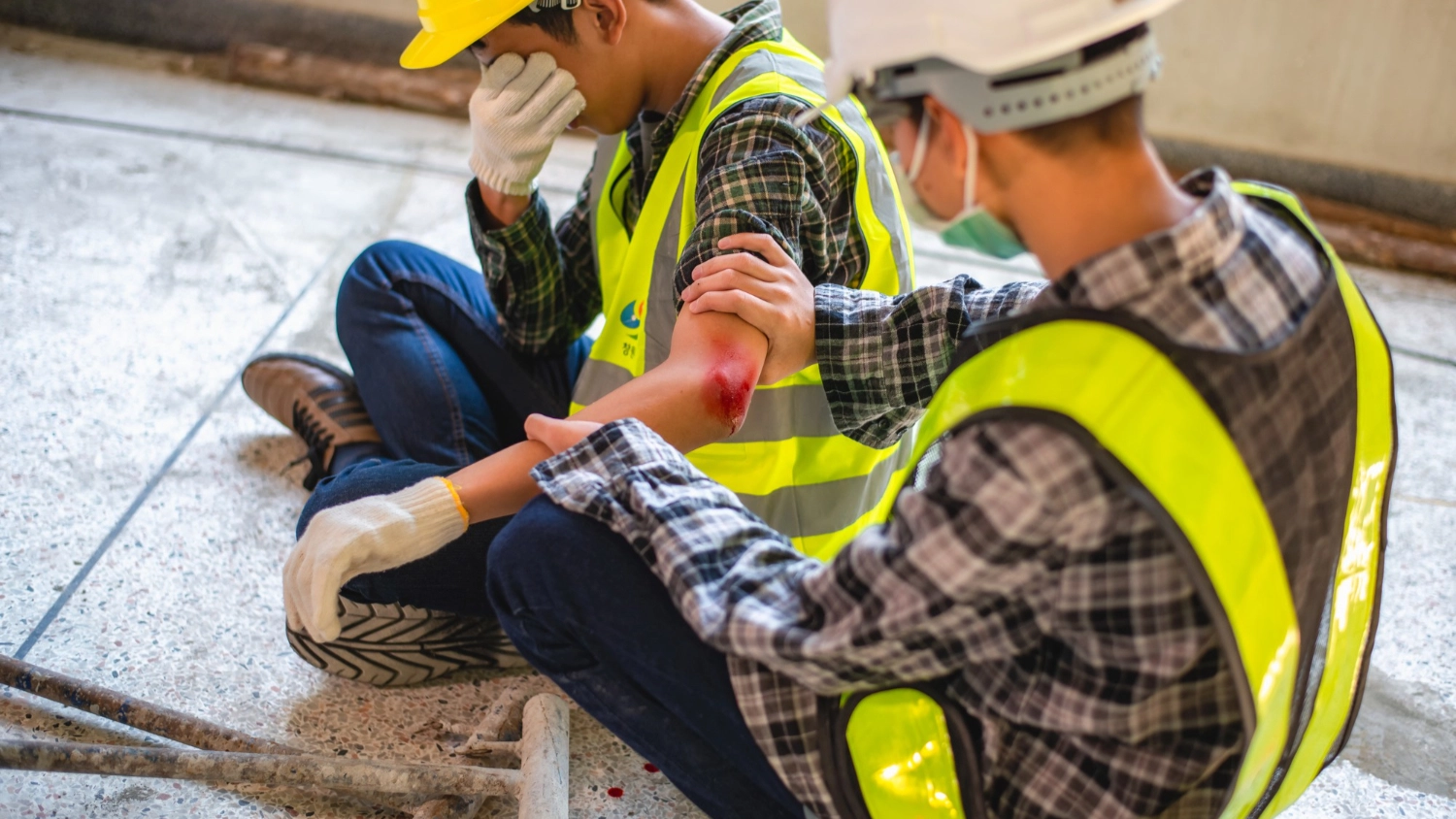

If you’re hurt on a Wisconsin construction site, you’ll usually hear one phrase right away: “workers’ comp.”
That’s often the right starting point. But construction injuries are different from a lot of other work injuries for one big reason: there are usually multiple companies on site (GCs, subs, property owners, equipment vendors). That’s where the “personal injury” side can come into play.
If you want to talk through your situation confidentially, you can contact NOWLAN Injury Law or start online via Get Started.
Workers’ comp (the “hurt at work” lane)
Workers’ compensation is generally designed to cover benefits when you’re injured while doing your job.
Depending on the facts, workers’ comp may help with:
- Medical treatment related to the injury
- A portion of lost wages if you can’t work
- Certain benefits tied to permanent impairment
If wage loss is already an issue for you, this is a useful supporting read: Injury claims for lost wages.
Personal injury (the “someone else caused this” lane)
A personal injury claim (often called a third-party claim) is different. It’s typically about fault and it usually involves someone other than your employer.
On construction sites, “someone else” might be:
- Another subcontractor’s crew
- The general contractor
- The property owner
- An equipment manufacturer (defective tool, lift, harness, tie-off, etc.)
- A driver in or near a work zone
This is why it’s risky to assume every construction injury is “just workers’ comp.”
The difference in one minute (simple breakdown)
Here’s the cleanest way to think about it:
Workers’ comp
- Usually you don’t have to prove negligence
- Benefits are typically limited to what the system provides
- You usually can’t sue your employer for the injury itself
Personal injury (third-party)
- Fault/negligence matters
- Often tied to multi-employer job sites or defective products
- Can involve broader damages depending on the situation
Common construction scenarios where a third-party claim may exist
Not every case has a third-party angle, but these are common “worth investigating” situations:
- Falls: missing guardrails, unsafe scaffolding, bad ladder setup
- Struck-by injuries: dropped materials, swinging loads, forklift incidents
- Equipment failures: defective power tools, lifts, harnesses, tie-offs
- Site safety failures: unmarked hazards, poor traffic control, bad lighting
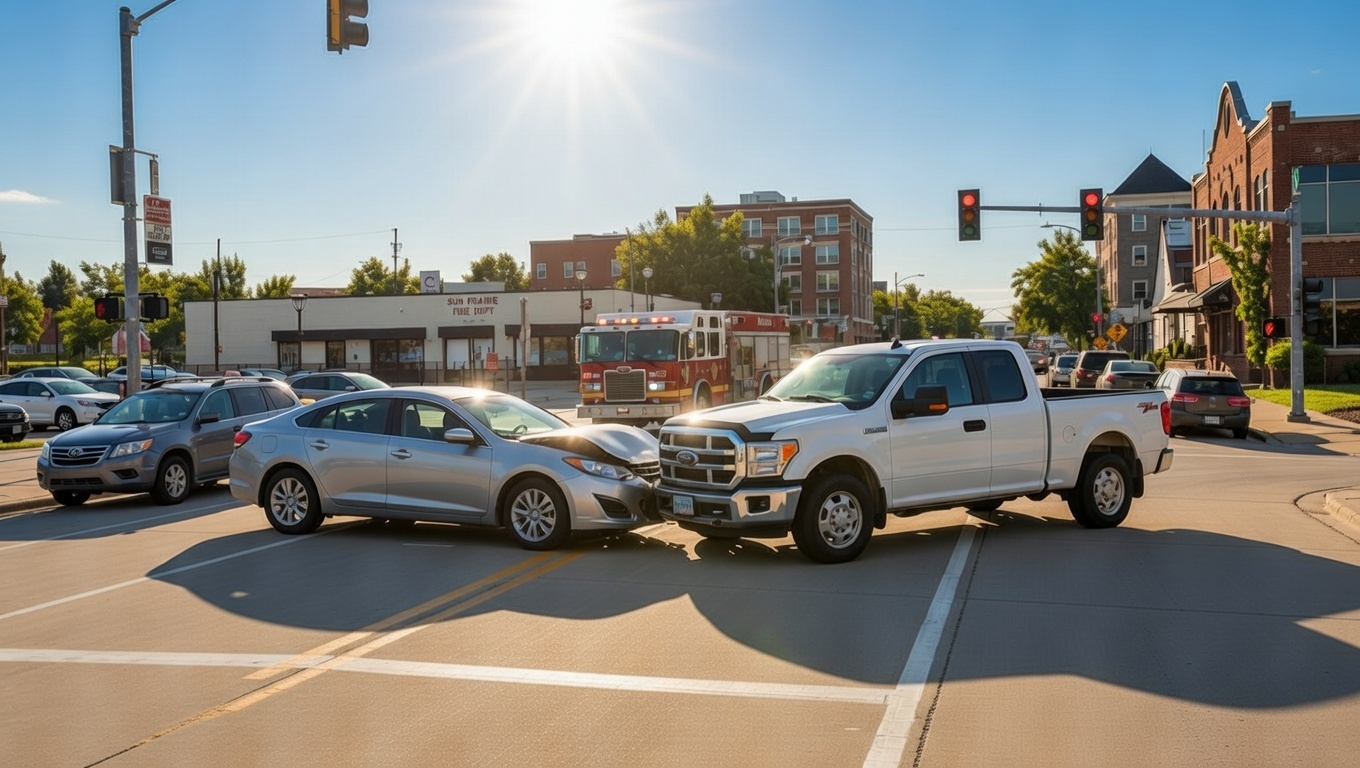
- Work zone crashes: drivers hitting workers or equipment
If your injury involved a head impact, don’t ignore symptoms, see brain injury resources and get checked out.
Can you have both workers’ comp and a personal injury claim?
Sometimes, yes.
A common construction example: you file workers’ comp because you were injured on the job, but the hazard was created by another company on site (or a defective product played a role). That’s when a separate personal injury claim may be on the table.
Evidence disappears fast on job sites, so it’s smart to ask early, especially if multiple companies were involved.
Need help now:
You can also read: When to call a construction lawyer in Wisconsin.
What to do after a construction injury (either way)
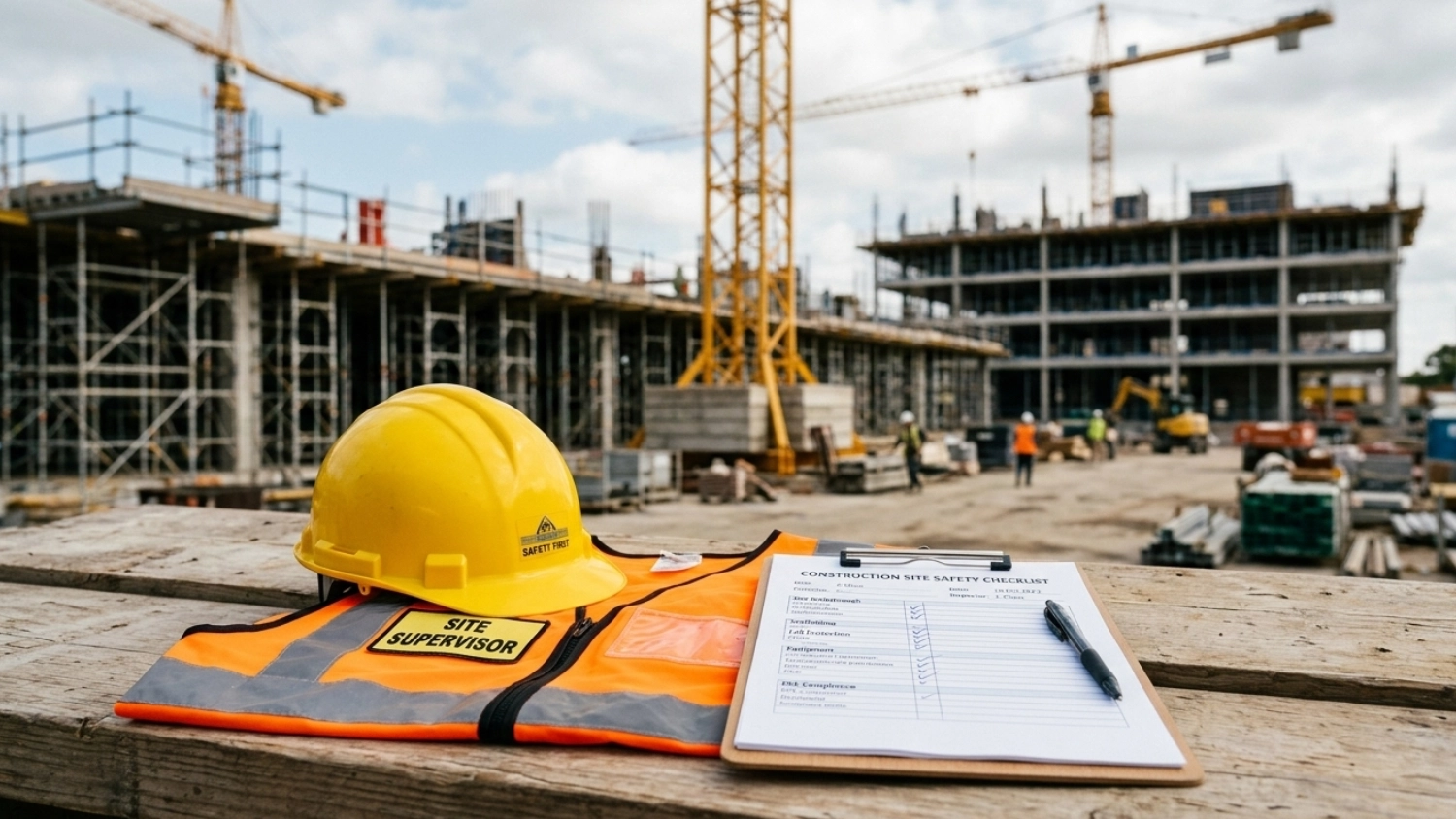
No matter which lane you end up in, these steps help protect you:
- Report the injury (preferably in writing)
- Get medical care and clearly say it happened at work
- Take photos of the area/equipment if you can
- Get witness names before crews scatter
- Save texts, schedules, and pay stubs if anything changes after the injury
For general timing guidance, this is a helpful resource: How long do I have to file my injury lawsuit in Wisconsin?
FAQs: Workers’ Comp vs Personal Injury (Wisconsin Construction)
What’s the difference between workers’ comp and personal injury?
Workers’ comp is typically a no-fault system that provides benefits for work injuries. Personal injury usually involves proving another party’s negligence caused or contributed to the injury.
If I’m hurt on a construction site, is it always just workers’ comp?
Not always. Construction sites often involve multiple companies. If another contractor, property owner, or defective equipment contributed, there may be a third-party personal injury claim to explore.
Can I sue my employer if I’m receiving workers’ comp?
Usually, workers’ comp is the exclusive remedy against your employer for the injury itself. But you may still have a claim against a third party depending on the facts.
What if defective equipment caused my injury?
Defective tools, lifts, harnesses, or other equipment can be a sign a third-party claim may exist. Preserve the equipment if possible and document what happened.
When should I talk to a lawyer?
If you’re seriously hurt, your claim is denied/delayed, multiple companies were on site, or you suspect someone else caused the hazard, it’s smart to talk early. You can contact NOWLAN Injury Law or use Get Started.